The Allure of Gambling
Casino games possess a magnetic attraction, deeply rooted in the principles of psychology. The excitement of chance, combined with the allure of substantial winnings, forms a compelling experience that captivates many. This attraction is further amplified by the casino environment, specifically designed to engage the senses, where the best online casinos offer vibrant atmospheres filled with bright lights, stimulating sounds, and an atmosphere filled with anticipation work in harmony to create an immersive experience, often leading players to experience what is known as “the gambling high.” This high can keep players returning, drawn by the thrill of potentially hitting the jackpot.
Understanding why individuals are drawn to gambling involves delving into the psychological mechanisms at play. A significant factor is the release of dopamine, a neurotransmitter that plays a crucial role in the brain’s reward system. When players win, even small amounts, they experience a rush of pleasure that can trigger an addictive response. This cycle of seeking that dopamine release can lead to repeated gambling, as players chase the euphoric feelings associated with winning. Additionally, the social dynamics of gambling, such as camaraderie and shared experiences, enhance the enjoyment, further solidifying the allure of the casino.
Moreover, the element of risk is intricately woven into the appeal of casino games. Many individuals have an innate desire to seek out risk and uncertainty, which can elicit feelings of excitement in a controlled environment like a casino. While some approach gambling with a calculated strategy, many are swept away by the unpredictability of the outcomes. This combination of strategy and chance creates a unique atmosphere where players can feel both empowered and vulnerable, intensifying their emotional investment and enriching their overall gaming experience.
Understanding Cognitive Biases in Gambling
Cognitive biases play a pivotal role in shaping gambling behaviors. One of the most prevalent biases is the illusion of control, where players mistakenly believe they can influence the outcomes of games that are fundamentally based on chance. This misguided belief can lead to overconfidence, resulting in prolonged gambling sessions and an increased likelihood of financial loss. For instance, a player might develop a “lucky” strategy that they believe enhances their chances, even though the games are governed by statistical probabilities that remain unchanged regardless of personal methods.
Another significant cognitive bias is the gambler’s fallacy, which is the mistaken belief that past outcomes can affect future events in random scenarios. For example, if a player has experienced several consecutive losses on a slot machine, they may incorrectly conclude that a win is “due” and continue to gamble, often leading to further financial setbacks. Such cognitive distortions can cloud judgment and result in poor decision-making, perpetuating a cycle of gambling that is difficult to escape.

The framing effect also influences how players perceive their gambling choices. The manner in which information is presented can drastically alter interpretations of risk and reward. Casinos often present games and outcomes in a way that accentuates potential wins while minimizing the perception of losses. This manipulation can skew players’ focus toward the promise of substantial rewards, overshadowing the inherent risks associated with gambling, and subsequently increasing their propensity to continue gambling despite potential negative consequences.
The Role of Emotional Experience
Emotions are a significant driving force in gambling behavior, influencing decisions both in the moment and over time. A common emotional response is “chasing losses,” where players continue to gamble in hopes of recovering money lost in previous rounds. This often stems from feelings of desperation or frustration, leading to increasingly reckless behavior. The interplay of hope and despair creates a compelling narrative that keeps players engaged, even when logic suggests it would be wiser to stop gambling altogether.
The emotional state of a player can also significantly affect their gambling experience. Positive emotions such as excitement can enhance gameplay, leading players to take greater risks. Conversely, negative emotions like anxiety or sadness may prompt individuals to gamble recklessly as they seek an escape from their feelings. Recognizing these emotional triggers is crucial in understanding why individuals may find themselves caught in repetitive gambling cycles, often against their better judgment.
Furthermore, the concept of loss aversion adds complexity to the emotional dynamics of gambling. Individuals typically feel the pain of losses more acutely than the joy of equivalent gains, resulting in a pattern where they gamble excessively to avoid the negative emotions tied to losing money. This heightened emotional engagement can significantly affect a player’s mental health and overall well-being, as the desire to escape the pain of loss can lead to deeper issues related to gambling addiction.
The Influence of Environment and Design
The physical design of a casino is meticulously crafted to enhance the gambling experience, playing a vital role in the psychological engagement of players. Elements such as lighting, sound, and layout are strategically employed to create an atmosphere that fosters excitement and urgency. For instance, vibrant colors and bright lights can evoke feelings of euphoria, encouraging players to remain longer and gamble more. Additionally, the absence of clocks and windows creates a sense of timelessness, effectively immersing players in the gaming environment and prolonging their stay.
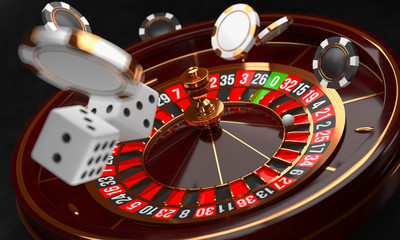
The arrangement of games within the casino also significantly influences player behavior. Popular games are often placed in high-traffic areas to attract attention, while table games may be arranged in a manner that promotes social interaction. This thoughtful placement is designed to maximize player engagement and increase the likelihood of prolonged gambling sessions. Such strategies reflect a deep understanding of human behavior and the ways in which individuals interact with their surroundings, creating an environment that actively encourages continued play.
Moreover, casinos employ persuasive tactics through rewards, such as loyalty programs and complimentary offers, to create additional psychological incentives for players. These rewards leverage the principles of operant conditioning, where players are reinforced for their gambling behavior through various incentives. This manipulation of the environment not only enhances the appeal of gaming but also establishes a foundation for habitual gambling behavior that can be difficult to break away from, perpetuating the cycle of play.
The Path to Responsible Gambling
Understanding the psychological dynamics involved in casino games is crucial for promoting responsible gambling practices. By recognizing cognitive biases, emotional triggers, and the impact of environmental factors, individuals can empower themselves to make informed decisions regarding their gambling activities. A deeper understanding of one’s psychological responses to gambling can help establish healthier boundaries and enable players to engage with gaming in a responsible and controlled manner.
Education initiatives focused on responsible gambling aim to equip players with the necessary tools to navigate the psychological challenges associated with gaming. These programs often emphasize self-awareness, encouraging individuals to reflect on their motivations for gambling and the emotions that accompany their experiences. Such educational efforts are vital in breaking the cycle of addiction, fostering a more positive and healthy relationship with gambling.
Implementing strategies for self-regulation can significantly enhance responsible gambling practices. Setting limits on time and spending before engaging in gaming activities creates a buffer against impulsive behaviors. By consciously establishing boundaries, players can enjoy the thrill of gambling without allowing it to spiral into negative consequences, ensuring that their gambling activities remain a source of entertainment rather than distress.